















A New Era in Agriculture Technology: What’s Changing and Why It Matters
Agriculture has always been shaped by innovation. From equipment that made physical work faster and more efficient to the digital tools transforming business operations today, technology has continually changed what is possible in agriculture. The difference now is the pace of change and the growing ability to automate not just work in the field, but the processes that keep an agribusiness running behind the scenes.
In this blog and video, I’ll look at how agricultural technology has evolved from innovations like the Bobcat skid steer to today’s autonomous equipment, robotics, Artificial Intelligence (AI), and automation and how these technologies can reduce manual work, improve efficiency, and help agribusinesses make better-informed decisions.
Agricultural innovation has always been about finding better ways to get work done. That idea provides a useful lens for understanding both the technology that shaped agriculture in the past and the tools emerging today.
Innovation Starts with a Practical Problem
The Bobcat skid steer is a good example of how meaningful innovation often begins. In the late 1950s, a local turkey farmer needed a small, maneuverable machine that could make cleaning his stalls easier. The Keller brothers went to work building prototypes, eventually creating the first skid steer loader.
That story is especially meaningful to me because the machine became part of my family’s history. My great-grandfather’s brother, Ed Melroe, recognized the potential in the Keller brothers’ invention, and the Melroe Manufacturing Company helped bring it to market. Today, Bobcat is still manufactured on the same land in North Dakota where that work began in Gwinner ND where my mom was born.
But the lesson is bigger than the machine itself. Innovation doesn't always start with breakthrough technology or a vision of what the future might look like. Often, it starts by identifying a practical problem and asking whether there is a better way to solve it. That same approach applies to today's AI, automation, robotics, and other emerging technologies.
The technology has changed, but the goal remains much the same: reduce unnecessary work, improve efficiency, and give people better tools to do their jobs.
Here are a few practical examples of how AI and automation are being applied in the back office to assist with everyday processes.
AI and Automation in Ag Business Operations
There are a number of opportunities to use AI and automation in the back office today. Finance and supply chain processes are especially well suited for automation because many involve repetitive, manual tasks.
Here are a few areas to consider:
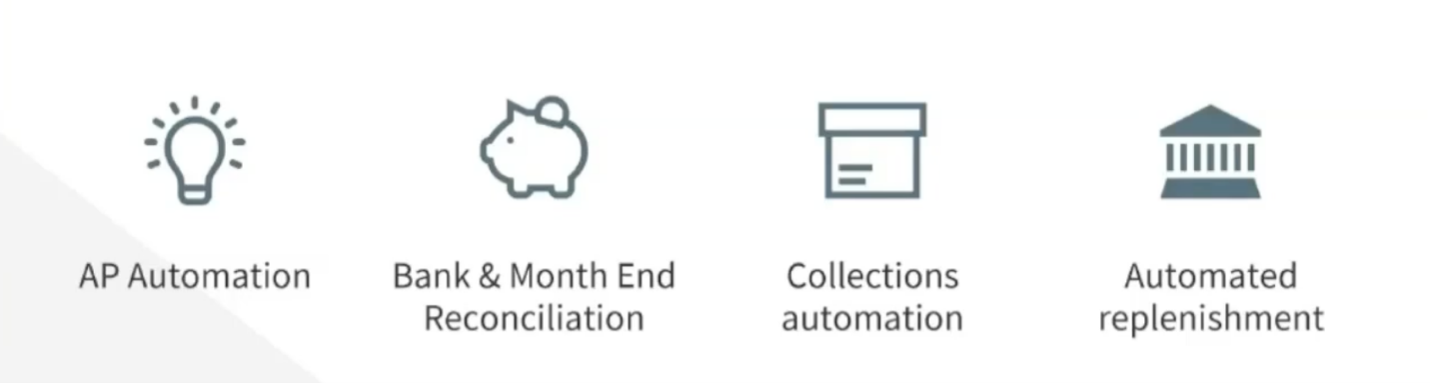
- AP automation: AI can capture invoices from email, enter them into the Enterprise Resource Planning (ERP) system, route them to the right person for approval, and post them once approved. The result is less manual data entry, with approval being the primary human touchpoint. We have deployed internally at Stoneridge and it’s making a big difference in the efficiency of our AP processes.
- Bank and month-end reconciliation: AI can match bank transactions to transactions in the ERP and flag items that don't match. It can even recommend the transaction that is most likely to correspond, making reconciliation faster and easier.
- Collections automation: Businesses can automate collection emails based on how long an invoice is past due. For example, reminders can be sent at 10, 20, or 30 days past due, with the messaging becoming more urgent as the account ages.
- Automated replenishment: AI can monitor inventory levels and trigger replenishment when products fall below a set threshold. Whether it's seed, feed, chemicals, or warehouse supplies, the system can generate an order or send a request to the vendor without someone having to manually check inventory and enter the order.
These are just a few examples of how AI and automation can take repetitive work out of everyday finance and supply chain processes. But the opportunities don't stop there. Agriculture has its own set of processes that can benefit from automation, particularly where employees are still moving information manually between the field and the ERP system.
Agriculture-Specific AI Use Cases
In my work, I've seen several specific use cases for AI and automation in ag with our clients that can create efficiency today. These applications can help reduce manual data entry, connect information from the field to the back office, and give teams faster access to the information they need. Here a few noteworthy applications I want to highlight:
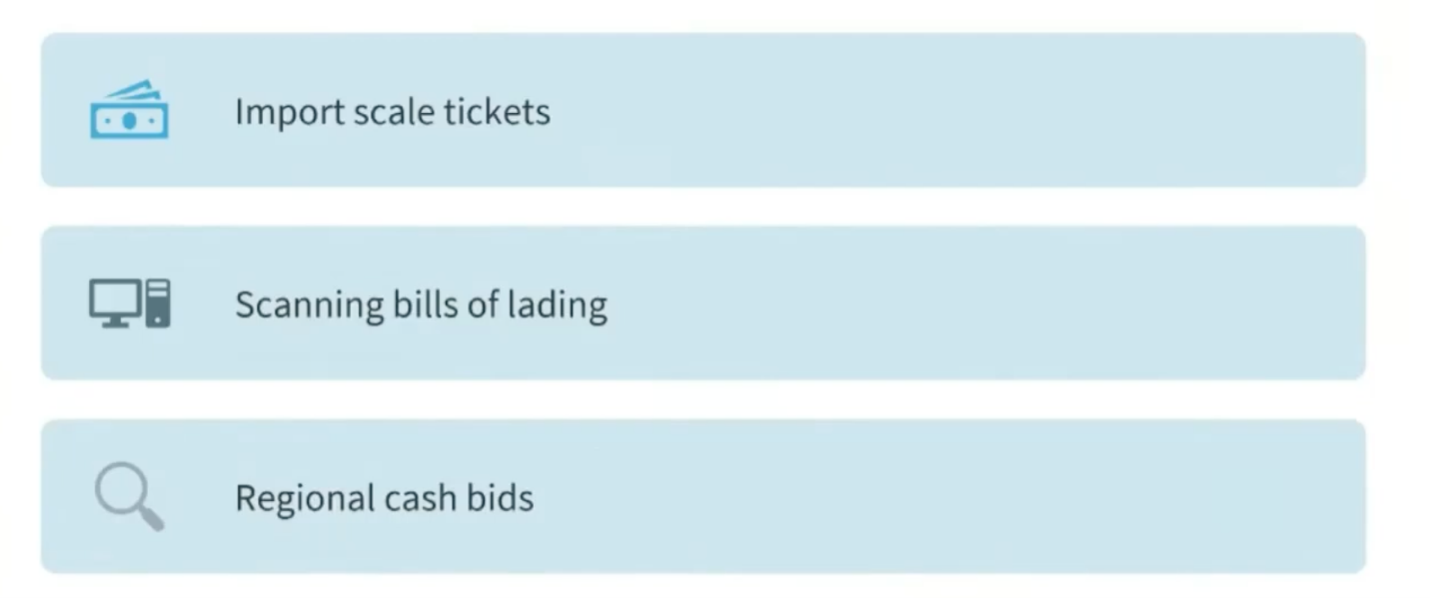
- Automated scale ticket entry: Many agricultural businesses have multiple locations and scale systems, including standard and homegrown systems. AI can monitor a designated folder for scale tickets saved as text, CSV, or Excel files, extract the information, and send it directly into the ERP system. This can eliminate the need to manually enter scale ticket information and can even notify someone when an import fails.
- Scanning bills of lading: Employees and drivers don't always have access to the ERP system when they're out in the field. Instead of bringing paper bills of lading back to the office and manually entering the information, they can take a picture of the document with their phone. AI can read the information from the image and send it into the ERP system, reducing rekeying and paperwork.
- Regional cash bids: AI can also help businesses monitor competitive market information, such as regional cash bids. Rather than manually checking multiple sources and compiling the information, an automated process can gather and organize bids so teams can more quickly see what's happening in their market and use that information to make purchasing and pricing decisions.
These are just a few examples of how AI can be applied to the unique processes found in agriculture. The broader opportunity is to look at the places where employees are still collecting information, entering data, or moving information from one system to another and ask whether AI can do some of that work for them. Let’s talk about getting started.
Getting Started with AI and Copilot
Getting started with AI can sometimes feel overwhelming, but I have found the best approach is to start small, become familiar with what AI can do, and then identify where it can create real value in your business. Here is an effective approach I have used to get started:
1. Start with the Tools You Already Use
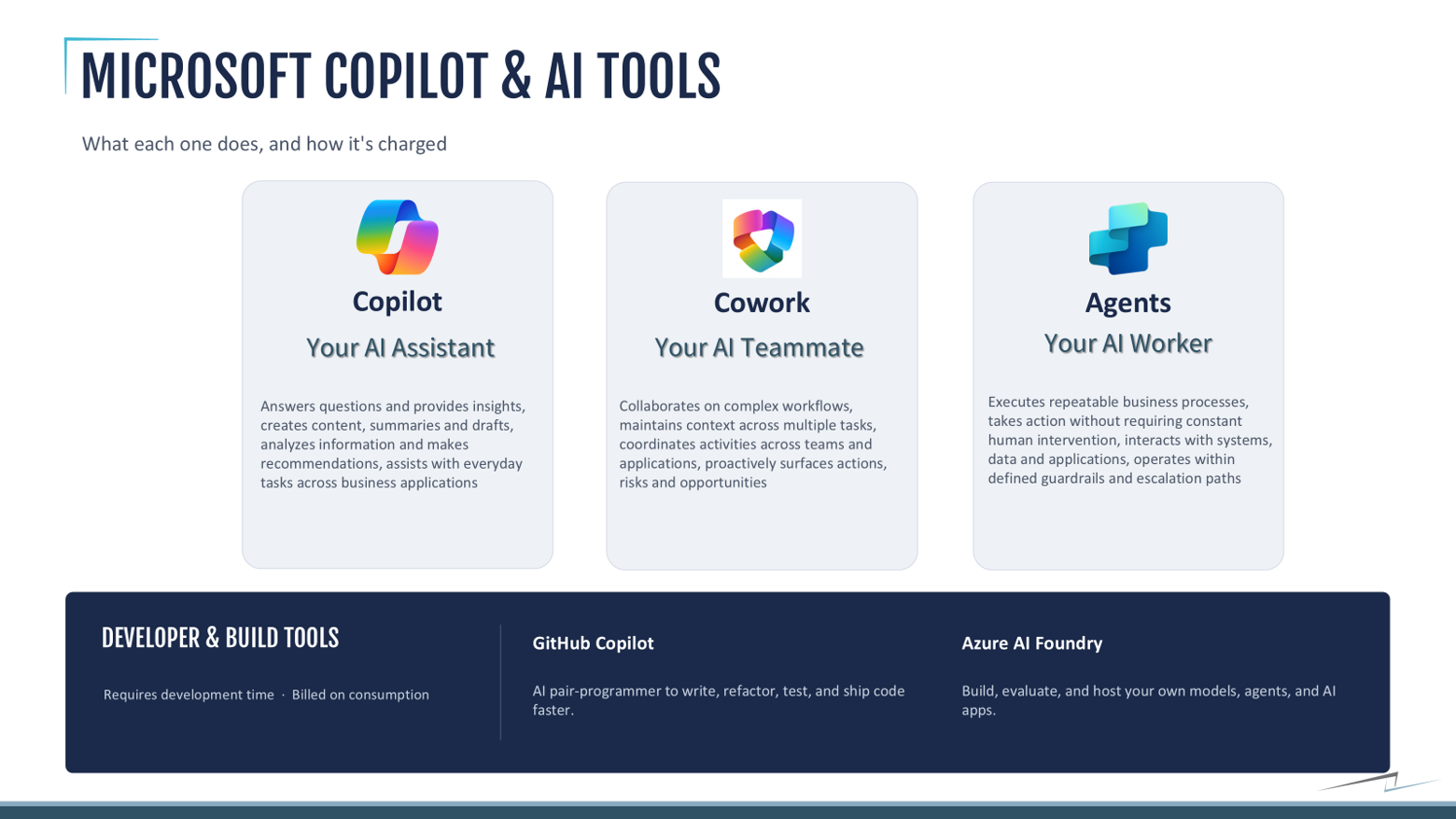
Microsoft offers a range of Copilot capabilities that can grow with your needs. Copilot can help analyze information, search internal content, summarize documents and data, and support everyday work across Excel, Outlook, Teams, and Word. For more specific needs, businesses can also build AI agents designed to automate particular processes.
2. Begin with a Problem, not a Technology
Look for a repetitive task, a process that requires a lot of manual work, or information that takes too long to gather and analyze. From there, determine whether AI or automation can make the process simpler. Starting with a practical use case allows you to see value without trying to transform everything at once.
3. Build from There
For organizations ready to take the next step, AI can become part of a broader technology strategy through platforms such as Microsoft Dynamics 365. Larger organizations such as retailers, cooperatives, and processors may consider Dynamics 365 Finance and Supply Chain Management, while smaller businesses such as farms and seed producers may be better suited to Dynamics 365 Business Central.
The goal isn't to automate everything at once, but to build a technology foundation that uses AI and automation where they can make the biggest difference and can evolve as the technology does.
For More Information
Agriculture has always adapted to new technology when it provides a better way to get work done. The tools may look very different today, from autonomous equipment and robotics to AI-powered automation, but the underlying opportunity is the same: solve practical problems, reduce unnecessary work, and help people make better decisions.
Are you interested in exploring how AI and automation could support your agricultural operation? Stoneridge Software can help you identify opportunities, evaluate the right technology, and determine where to start. Reach out to our team to learn more.


Under the terms of this license, you are authorized to share and redistribute the content across various mediums, subject to adherence to the specified conditions: you must provide proper attribution to Stoneridge as the original creator in a manner that does not imply their endorsement of your use, the material is to be utilized solely for non-commercial purposes, and alterations, modifications, or derivative works based on the original material are strictly prohibited.
Responsibility rests with the licensee to ensure that their use of the material does not violate any other rights.